
Exchange monitoring platforms: a tool or an illusion of control?
April 28, 2026
Monitoring platforms have one strong advantage that is also a weak point at the same time: they simplify the choice extremely well. So well that at some point the user stops asking extra questions.
If a service is already on the list, that means it has passed verification. If it has decent reviews, then everything should be fine. If the rate looks выгодно? Wait English needs translate. If the rate looks favorable, you can move on. It is exactly this logic that creates a false sense of security. Because a monitoring platform gives a convenient picture of the market, but does not show all the nuances that later make up the real exchange experience.
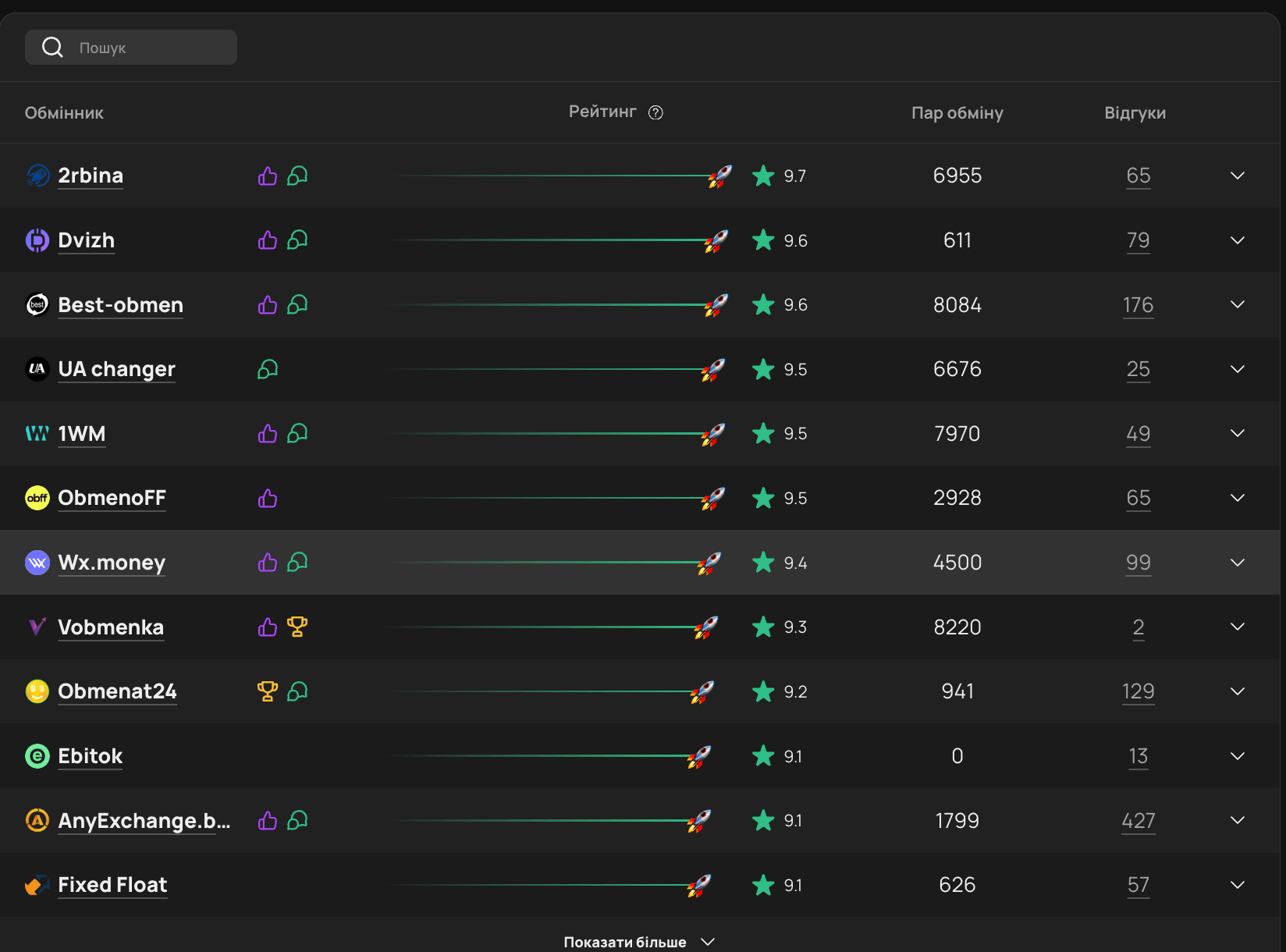
Monitoring platforms are useful in themselves. They save time, help you quickly see the market, compare rates, reserves, reviews, and narrow the choice down to a few services. For the first stage, that is more than enough. The problem begins when this first stage is perceived as a full verification.
Where the role of a monitoring platform ends
A monitoring platform does not carry out the exchange instead of the service. It does not manage the exchanger’s support team, does not control its internal rules, and cannot guarantee that your specific request will go through without delays, checks, or disputed situations.
Once you move to the exchanger’s website, a different area of responsibility begins. It is the service itself that decides how the rate is fixed, which fees are applied, how long processing takes, and what happens if the transaction goes beyond the standard scenario. So being listed on a monitoring platform does not mean the risk disappears. It only means that the service has entered your field of choice.
Where users make mistakes most often
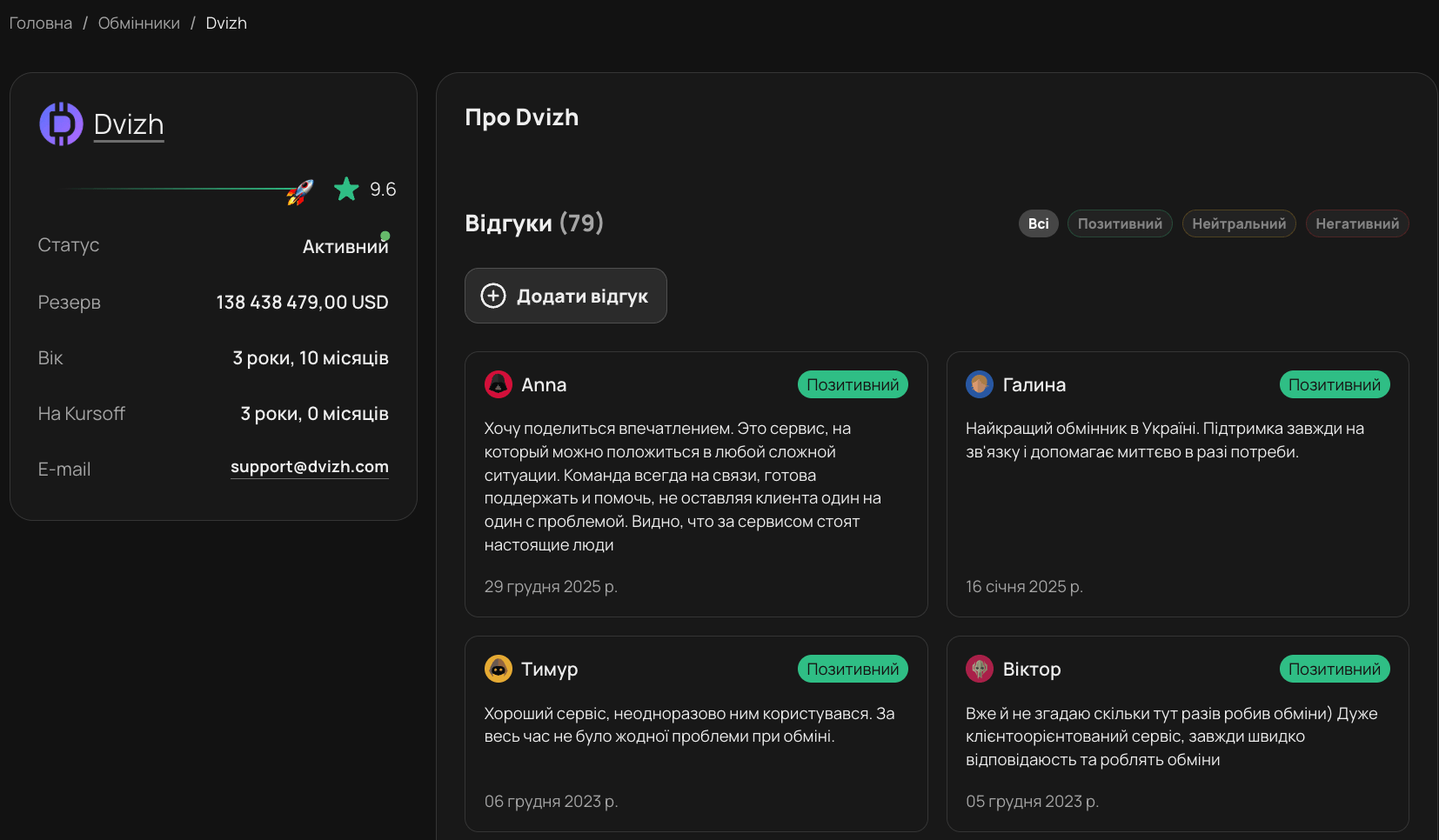
Most often, people look only at what is immediately visible in the table. A good rate, a large reserve, and decent reviews create the feeling that this is already enough, but the real verification begins not on the monitoring platform, but on the exchanger’s own website.
That is where it becomes clear when the rate is fixed, whether there are additional fees, how support works, whether manual processing of the request is possible, and what happens if the transaction goes through an AML check. If you do not verify this in advance, a convenient choice can easily turn into a problematic exchange.
Red flags worth checking before an exchange
Before creating a request, it is worth paying attention to a few things:
- unclear exchange terms, when it is not clear how the final amount is formed and when the rate is fixed
- vague rules for delays, AML checks, mistakes in details, or other disputed situations
- weak communication, when support replies slowly, with templates, or without specifics
- recurring complaints in reviews, especially if they constantly mention delays, deductions, or problems with refunds
This does not mean that the service is necessarily problematic, but it does mean that entering into an exchange without an additional check is already risky.
How to use a monitoring platform properly
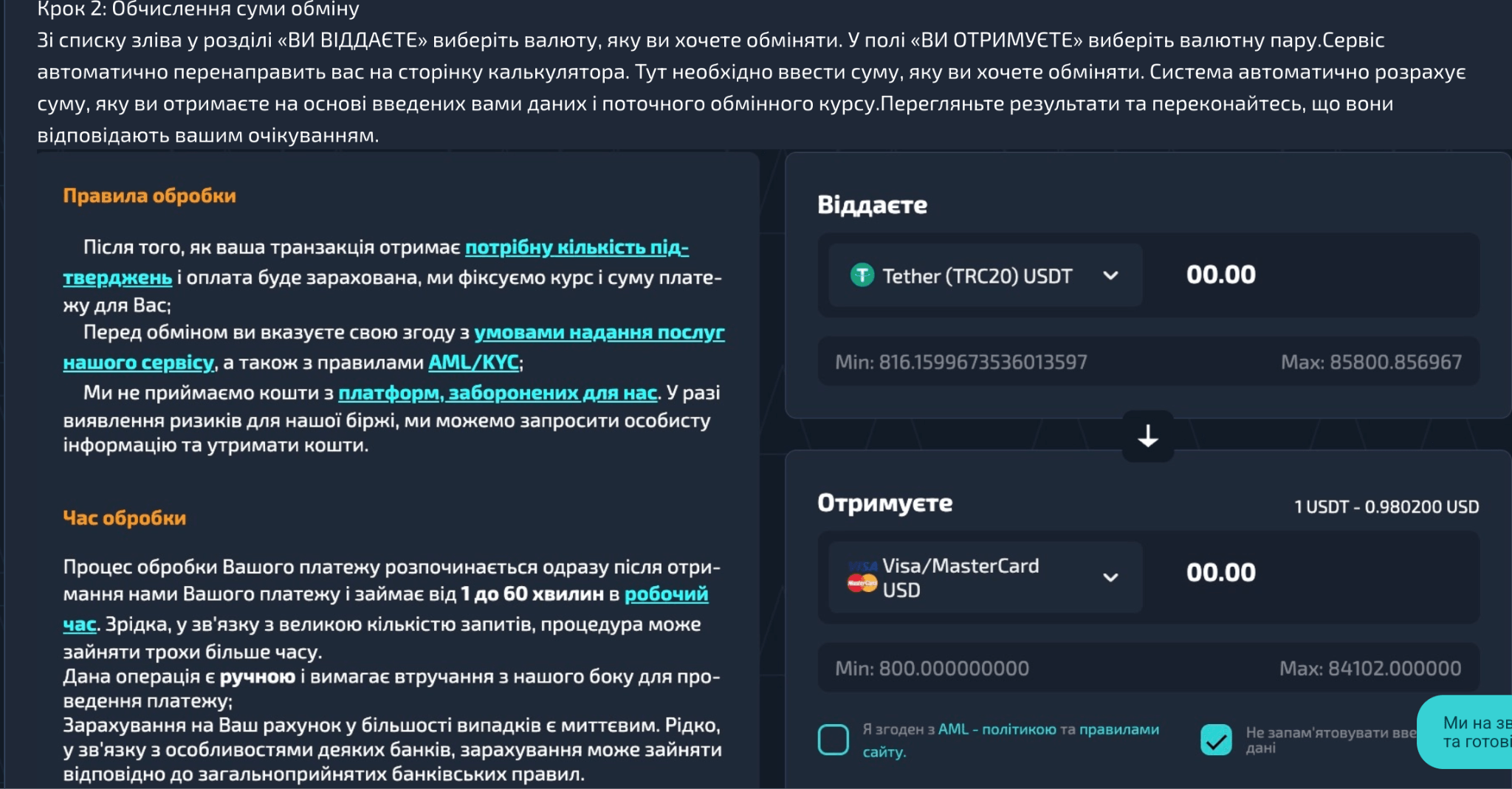
The healthiest scenario looks like this: first, you use the monitoring platform as a search tool, then you separately check the service you are going to trust with your funds.
Look at the regulations, exchange terms, fees, the logic of rate fixing, the rules for non-standard situations, and the approach to AML. Read not only positive reviews, but negative ones as well. If you are using a service for the first time, start with a small amount. And be sure to keep the request number, the rate at the moment of creation, and your correspondence with support.
Conclusion
Exchange monitoring platforms remain a useful part of the crypto market. They help you find options faster and navigate the market better. But do not forget: they cannot bear 100% responsibility for your transaction, because the exchange itself already takes place on the side of a specific service.
That is why a safe approach always consists of two steps: first find, then verify. The more clearly you see this boundary, the fewer the chances that a convenient choice will turn into a problem.
At Kursoff, this stage also receives special attention. Before listing services, the team carries out maximum checks, analyzes the operating conditions, reputation, and transparency of the service, and also uses the mystery shopper format to assess the real user experience. This helps make the initial choice stronger, but it does not cancel the main rule: user attentiveness always remains part of a safe exchange.