
Futures trading after the theory: how to enter a trade, calculate risk, and avoid blowing your deposit
April 02, 2026
In the previous article, we already covered the theory: what long and short are, how leverage works, why margin matters, and where the risk of liquidation begins. That is enough to avoid getting confused by the terms, but when you open the futures section and get ready to enter a real trade, another question appears: what do you actually do with all this in practice.
This is exactly where futures trading stops being theory. The market no longer cares whether you know what leverage means (by the way, it is borrowed leverage that increases the size of your position). It quickly shows whether you can build a trade so that it can withstand price movement instead of falling apart on the first pullback.
Most often, problems begin not because the instrument is complicated, but because of haste. You see the move, enter the position, and only then start thinking about size, stop-loss, and the exit point. In futures, that order of actions costs a lot. Here it is important not only to catch the direction, but also to understand in advance how much you are ready to lose, where your idea stops working, and what you will do next if the market does not go the way you thought.
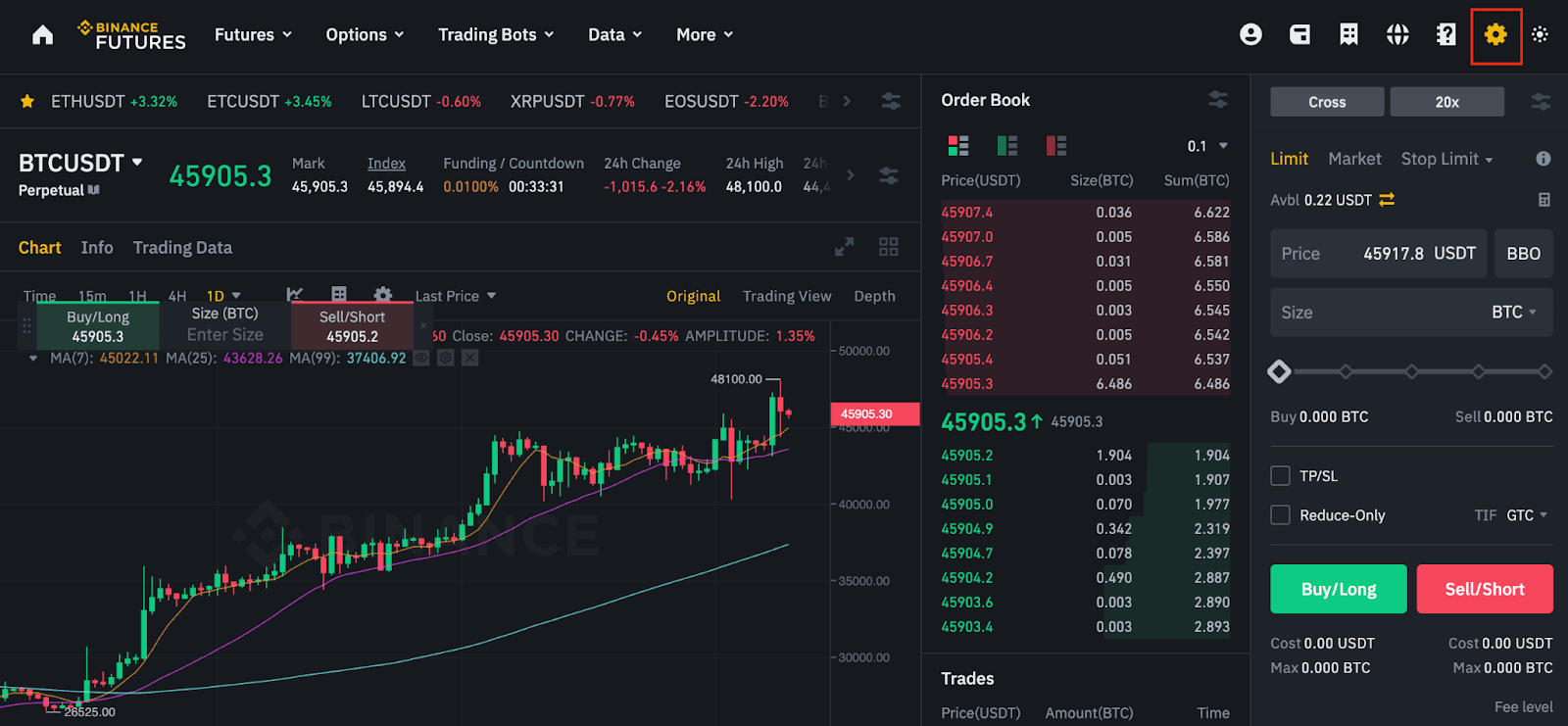
A good trade begins before entering the market
In futures, many mistakes look very simple. You see the move, think it is about to continue, open a position, and only then start thinking about where the stop is, what the risk is, and whether this entry can even survive a normal pullback. That is exactly how weak trades appear.
That is why before entering, you need to sort out a few things: understand the scenario itself, define the point where it breaks, and only after that calculate the size and leverage. In futures, this is basic logic. If you press the button first and build the trade structure afterward, the market puts that in its place very quickly.
Leverage is easy to fall for, but even easier to ruin a trade with
Leverage is often what pulls people into futures. It seems that with a small amount, you are simply taking more from the market. Partly, that is true. But leverage increases not only potential profit, but also the cost of any mistake.
The higher the leverage, the less room you have for an ordinary price move. What would look like a normal pullback on spot already starts putting pressure on the position here. So the question is whether your trade can handle this without unnecessary panic.
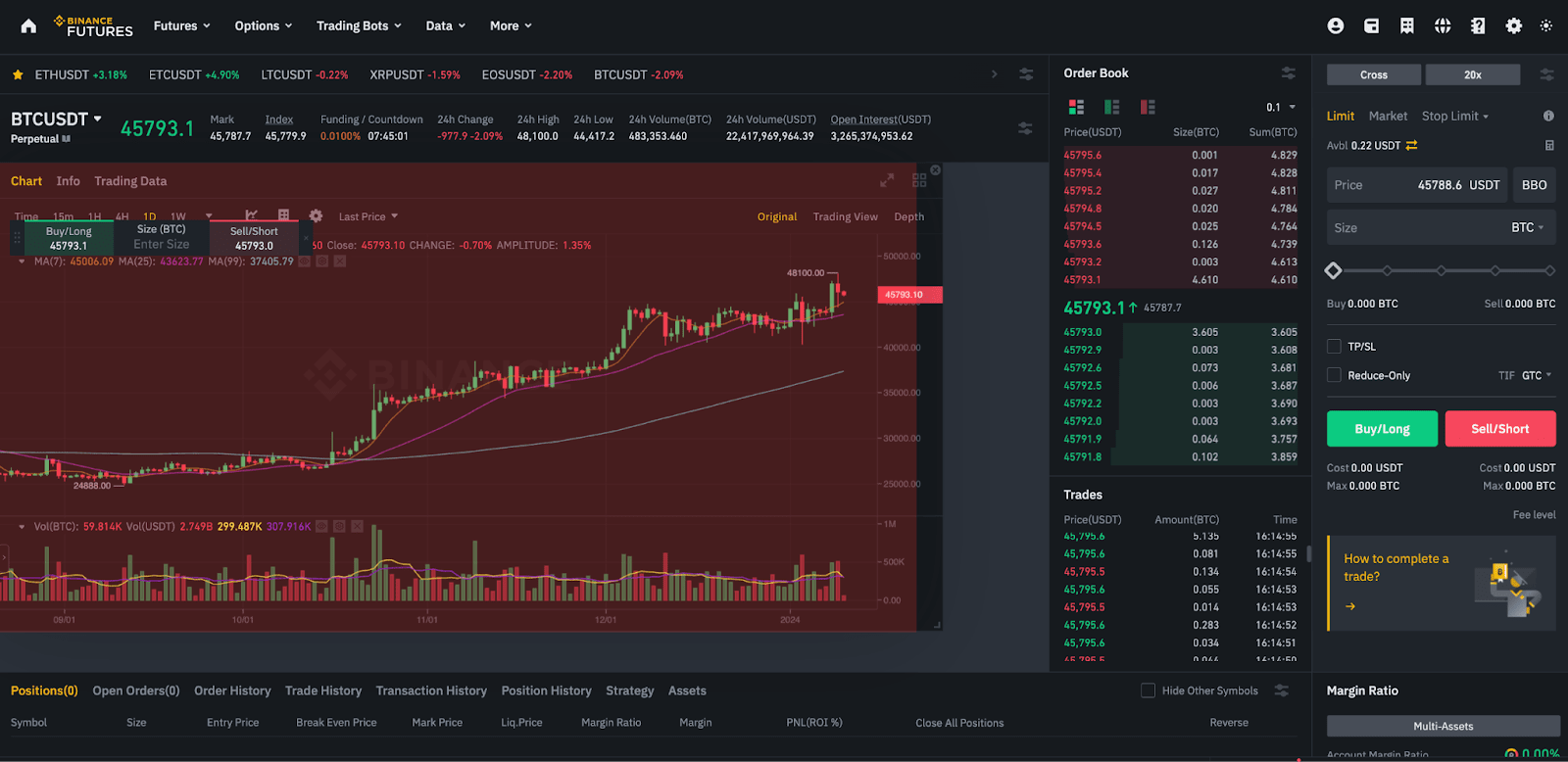
A stop-loss is not there for order, but to keep the trade from falling apart
Without a stop in futures, it is very easy to start bargaining with the market. At first, you just wait a little longer, then a little longer, and at some point a small loss turns into a problem that could have been closed much earlier.
But the stop also has to be set with your head on straight. Not randomly and not just for the sake of having one. It has to stand where your idea actually stops working. If you cannot explain why the stop is in that exact spot, then the trade is not fully built yet.
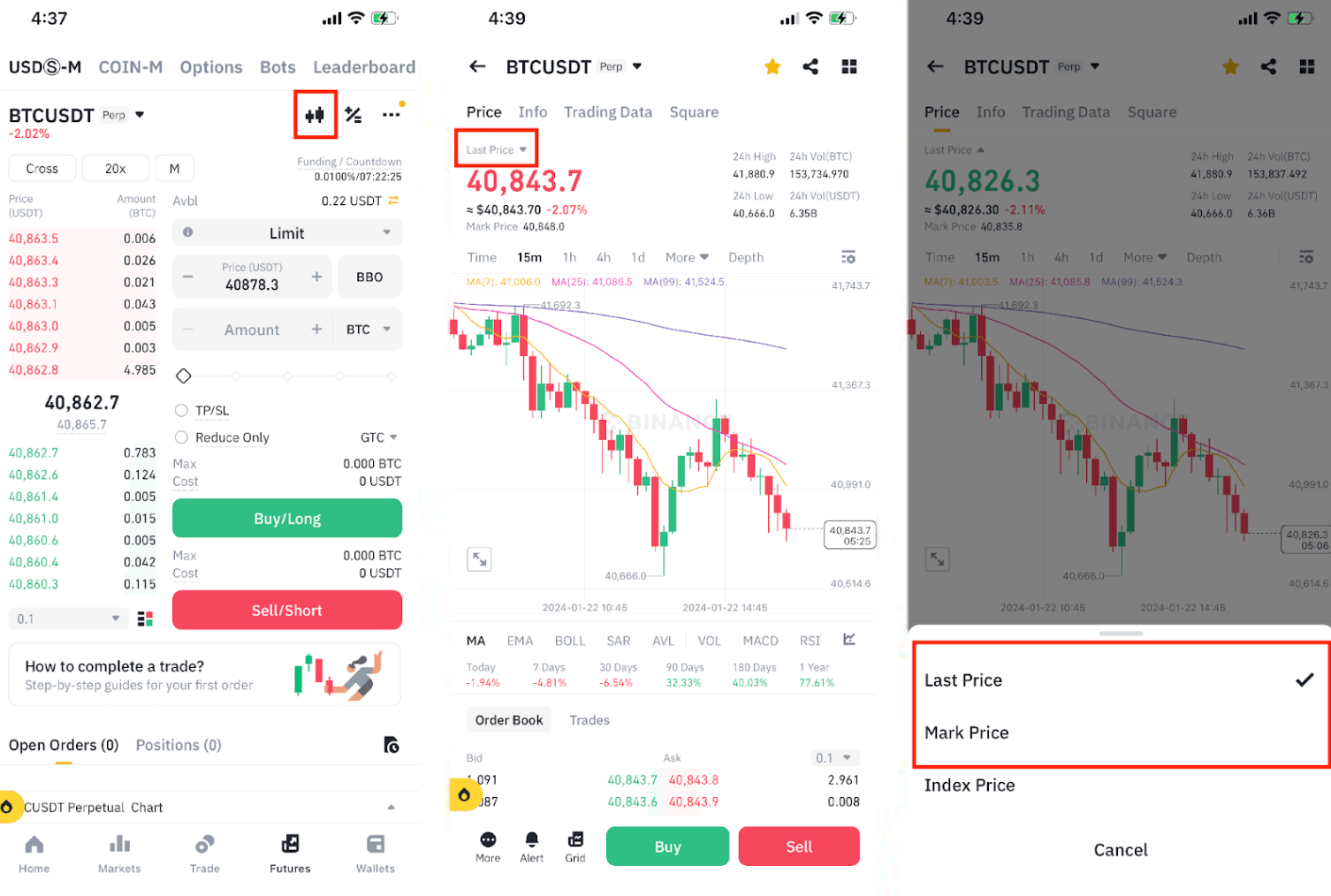
Liquidation – this is not an accident
Liquidation usually does not fall from the sky. It is caused by the usual set of mistakes: leverage that is too high, position size that is too large, no stop, or the stubborn desire to sit through a loss. That is why liquidation price is not just a number in the interface, but one of the main signals of how aggressively you have already entered the market.
If that boundary is too close, the position has almost no room left. And then even a good idea may simply not survive long enough to reach its move.
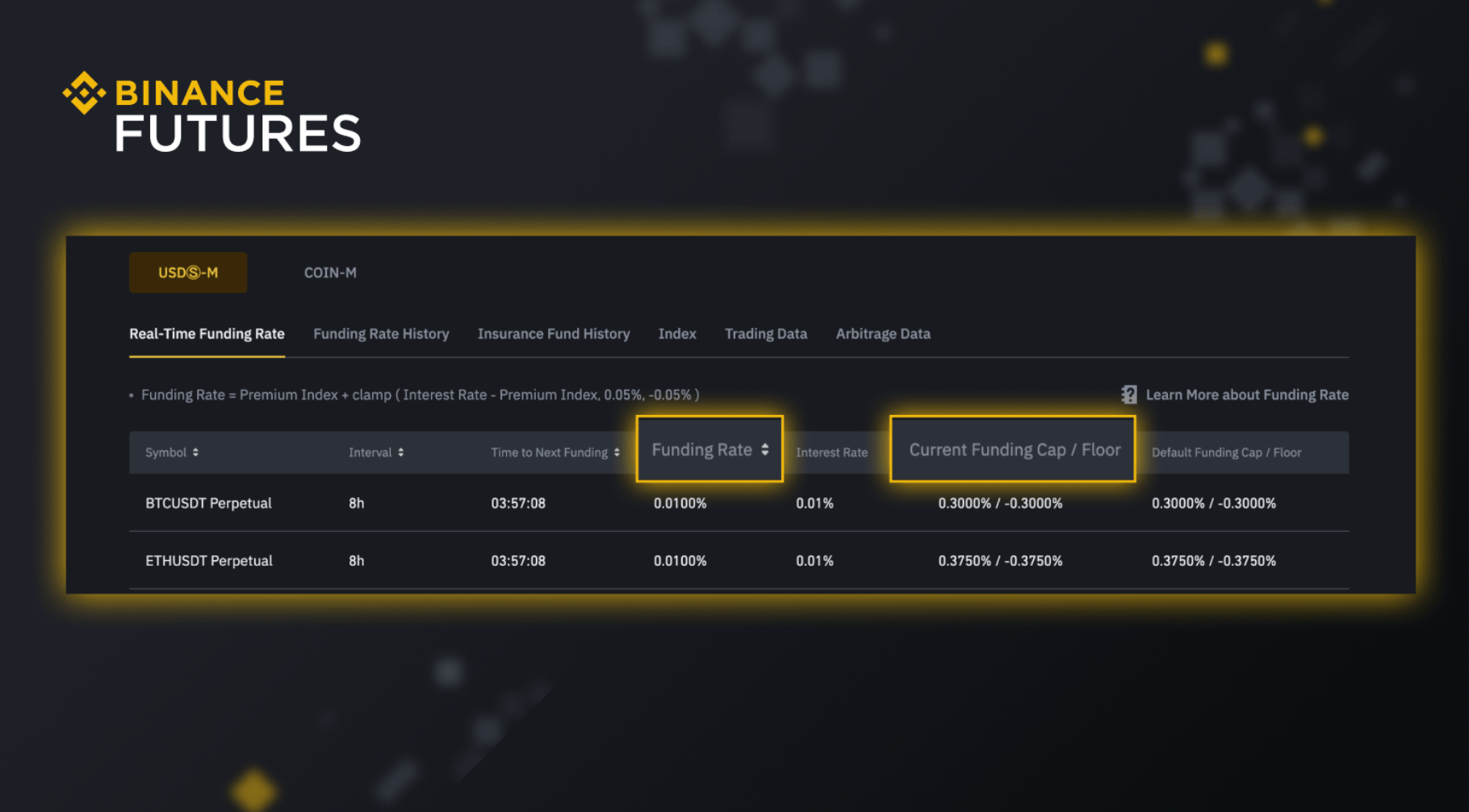
Funding rate is easy to underestimate
As long as the trade is short, the funding rate is barely noticeable. Because of that, it is often simply ignored. But if the position hangs longer, this small detail starts affecting the result in a very real way.
In futures, it is not enough just to guess the direction. You also need to understand how much simply staying in the trade costs you. Otherwise, you may seem to do everything right, but end up with a weaker result than you expected.
Exiting a trade often matters more than the entry
In futures, it is not enough to enter well. You still need to exit properly. This is exactly where many people fall apart: someone closes a profit too early because they are afraid of losing it, while someone else drags it out to the very end and gives the market back what was already in their hands.
That is why even before entering, it is worth understanding where you will lock in the result if everything goes according to plan. Without that, the market very quickly starts making your decisions for you.
After a loss, the most dangerous thing is jumping back in right away
The worst decisions in futures often begin not before the loss, but after it. You close in the red and want to win it back quickly. At that moment, a new trade is opened not according to a scenario, but out of irritation.
Such entries are almost always weak. That is why after a loss, it is better to stop first and understand exactly where you made a mistake. For futures trading, this is one of the most useful habits.
What really keeps futures trading within limits
In the end, it all comes down to a few basic things:
- You open a position only when you understand the scenario and the point of failure.
- You calculate the risk before entering, not after the position has already gone against you.
- You choose leverage to fit the trade, not the profit you want.
- You know in advance where you will exit if everything goes according to plan and if everything goes wrong.
- You do not try to win it back on эмоtions right after a loss.
Conclusion
It all comes down to simple things. You need to understand why you are entering a position, where your mistake is, what risk you are taking, and how you are going to exit. In futures, that alone is already enough to avoid making half of the typical stupid mistakes.