
Video Trap: Hackers Stole $400M
November 24, 2026
A video call invitation from someone you know can be the start of a cryptocurrency theft. North Korean hackers use compromised accounts, fake videos, and bogus technical malfunction messages to trick users into installing malware themselves.
This is how FaceStealer works—a large-scale cyberattack scheme that has led to the theft of over $400 million in crypto assets in 18 months. The FBI managed to uncover the attackers' infrastructure and seize more than 900 video recordings of victims.
How FaceStealer Works
What makes FaceStealer unique is that attackers use the real accounts of people the potential victim already trusts. First, hackers gain access to user accounts on Telegram, LinkedIn, and other services, secretly record video from their webcams, and then send out video meeting invitations on their behalf.
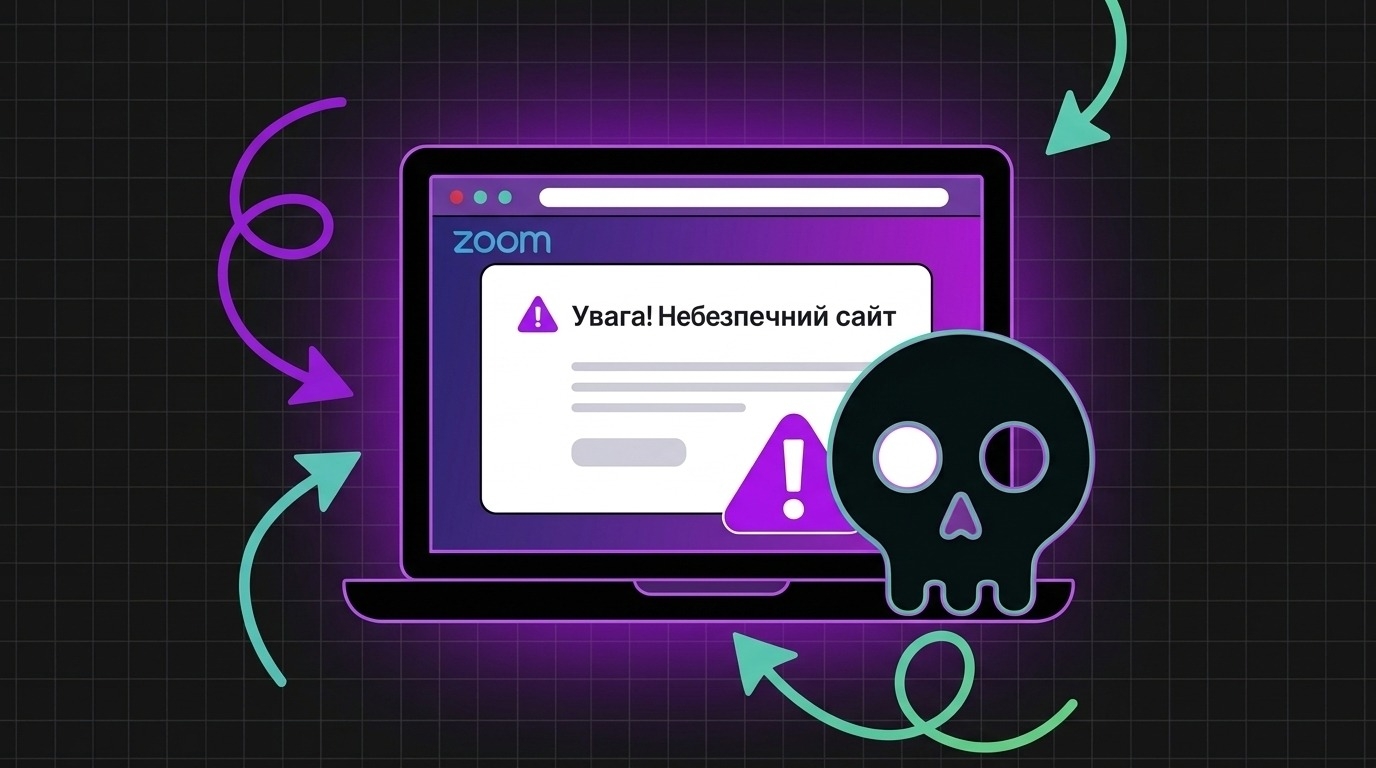
After clicking the link, the user lands on a fake video conferencing page mimicking Zoom or Microsoft Teams. Instead of a live participant, a pre-recorded video of the acquaintance plays on the screen. In some cases, attackers also use AI deepfake videos to make the impersonation convincing.
Once the person has joined the meeting, the hackers fabricate a technical issue: they claim they cannot hear the victim's voice or display a fake error message supposedly requiring a software update. The user is then prompted to follow instructions or download a file to fix the audio.
In reality, the suggested update installs malware onto the device. It gives the attackers access to the computer, crypto assets, and potentially social media and other communication accounts.
Why the Scheme Is Dangerous
In FaceStealer, attackers exploit multiple layers of trust at once: the genuine account of an acquaintance, a video recording of them, and the familiar format of an online work meeting. Because of this, even tech-savvy users may fail to notice the deception.
A distinct danger lies in the mechanism for reusing compromised access. During a fake meeting, hackers can secretly record the new victim's webcam to later use their video to deceive their next contacts. Thus, every successful breach helps expand the network of potential victims.
According to the FBI, some attackers returned to already compromised devices several months or even more than a year after the initial contact. This means the consequences of an infection can surface much later than the suspicious video meeting took place.
Who Is at Risk
FaceStealer targets people working in crypto and the Web3 industry. These include digital asset holders, representatives of crypto companies, developers, and specialists with access to critical technological infrastructure.
Hackers pay particular attention to open-source project developers. If attackers manage to gain access to the device of someone maintaining a popular library or software tool, they can use that person's accounts to tamper with the source code and distribute malware to other users.
This tactic creates risks far beyond a single crypto wallet. Compromising a developer's account can potentially impact entire software ecosystems and services that rely on their solutions.
What the FBI Accomplished
On November 12, 2026, the U.S. Department of Justice announced an operation to disrupt the cloud infrastructure used by North Korean hackers for FaceStealer. Under a federal warrant, the FBI seized the attackers' infrastructure and over 900 webcam recordings of victims working in the crypto and Web3 industries worldwide.
According to U.S. authorities, FaceStealer's operations resulted in the theft of more than $400 million in cryptocurrency over the past 18 months. The FBI also issued a public warning detailing the attack mechanics and recommendations for protecting against similar schemes.
That same day, the U.S. Department of Justice announced a separate case involving a massive cryptocurrency theft from Binance. According to the FBI, the attack, which occurred around October 29, 2026, was carried out by the North Korean group TraderTraitor, which is credited with stealing over $6 billion in digital assets.
U.S. authorities and private companies have already frozen more than $2.7 billion of the stolen funds. Separately, the Department of Justice obtained court authorization to seize or freeze over $1.2 billion in assets. This amount is included in the total volume of funds already frozen.
Importantly, FaceStealer and the Binance hack are two separate cybercriminal operations that U.S. authorities attribute to different North Korean hacking groups.
How to Protect Yourself from FaceStealer
Because FaceStealer relies on fake video meetings and compromised accounts of acquaintances, simply checking the sender's name is not enough. Even if an invitation comes from someone you have known for a long time, it is worth verifying it through another communication channel.
Pay special attention to the following situations:
- Links to fix audio. Do not download software or updates via links sent during a video call.
- Unfamiliar commands on your computer. Do not copy code or run scripts in the terminal at the instruction of the person on the call, even if their face looks familiar.
- Suspicious invitations. Double-check with your acquaintance about the video meeting via another messenger or by phone, especially if the message arrived unexpectedly.
- Access to crypto wallets. Do not enter your seed phrase, private keys, or passwords on pages opened from messages or during video conferences.
Conclusion
FaceStealer demonstrates how dangerous attacks built on trust in familiar people can be. Hackers use hijacked accounts, real video recordings, and AI tools to recreate an everyday communication scenario and convince a person to take the actions they want.
For crypto users, this is yet another reason to carefully verify requests to install software, connect wallets, and grant device access, even when the person initiating them appears to be someone you know.