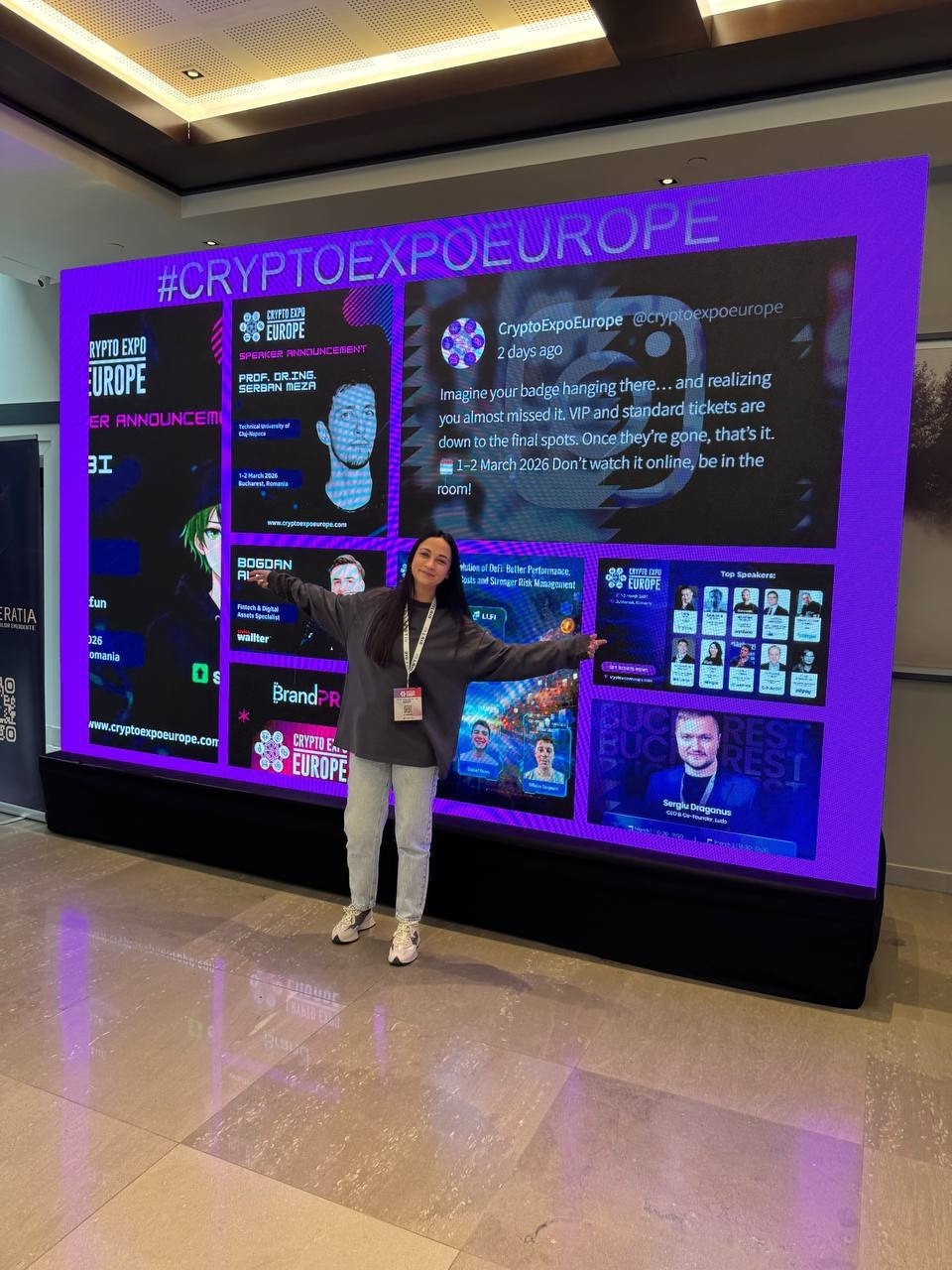
Crypto Expo Europe: insights from the team after two days in Bucharest
March 09, 2026
The Kursoff team went to Crypto Expo Europe not just to tick a box. We wanted to simply observe the market: who talks to whom, what people argue about in the hallways, and which topics sound the same both on stage and over coffee.
Conferences like this often look similar: a stage, an expo zone, badges, networking. But the real meaning usually lies not in the presentations, but in the conversations between them.
Day 1: exchange marketing and crypto in education
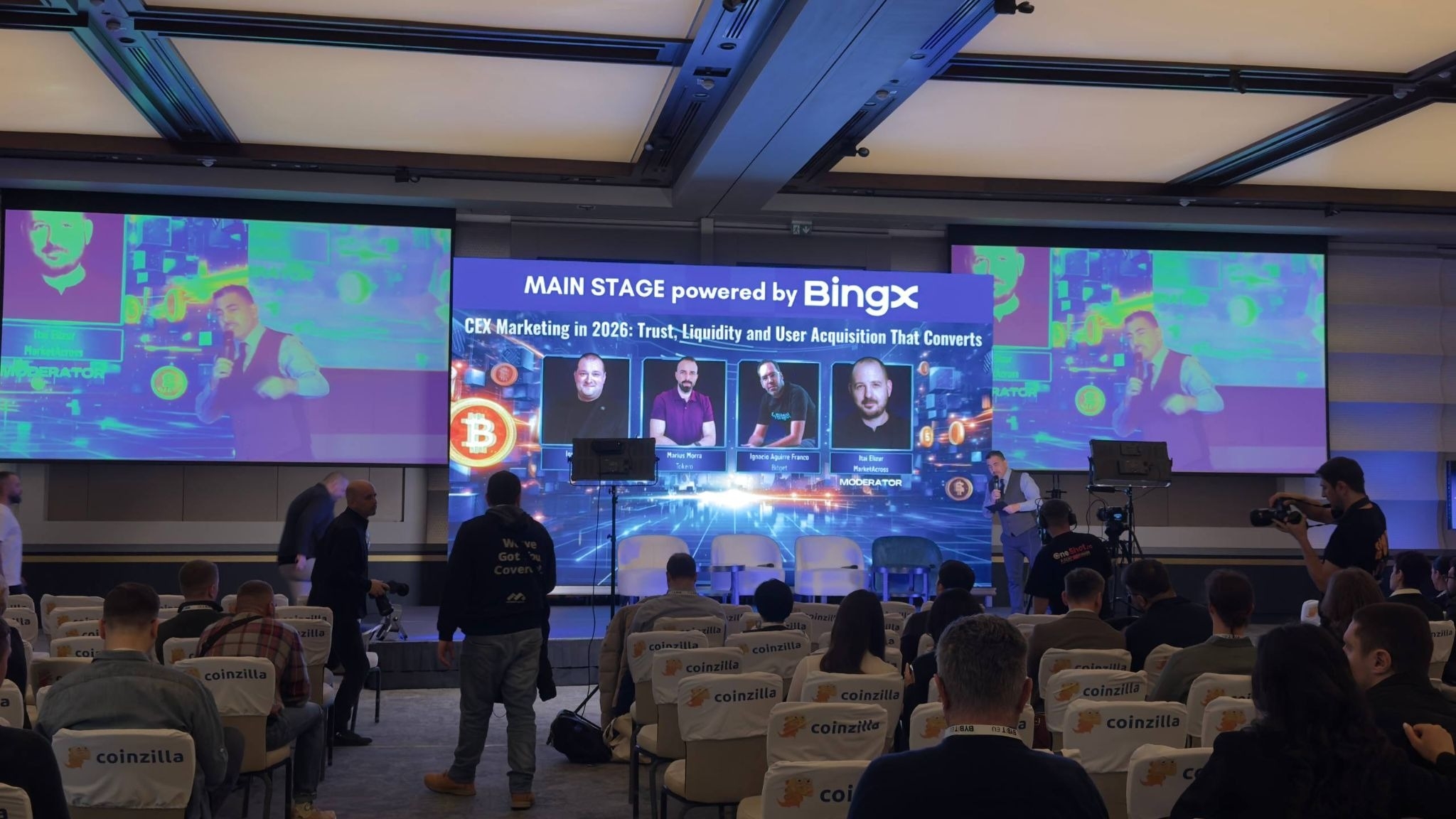
Centralized exchange marketing in 2026 — trust, liquidity, and user acquisition that actually converts
It was a short panel, but it clearly showed one thing: in crypto, the formula “marketing will fix it” no longer works. A few years ago exchanges could grow almost entirely through aggressive growth marketing: bonuses, referrals, affiliate programs. That was a time when users entered new services much more easily.
Now the atmosphere is completely different. First, users have become much more cautious after the events of recent years. Second, MiCA is gradually launching in Europe, which means a completely different level of process requirements for exchanges.
If someone comes to a service and encounters chaotic support or unclear rules, no marketing budget will save it.
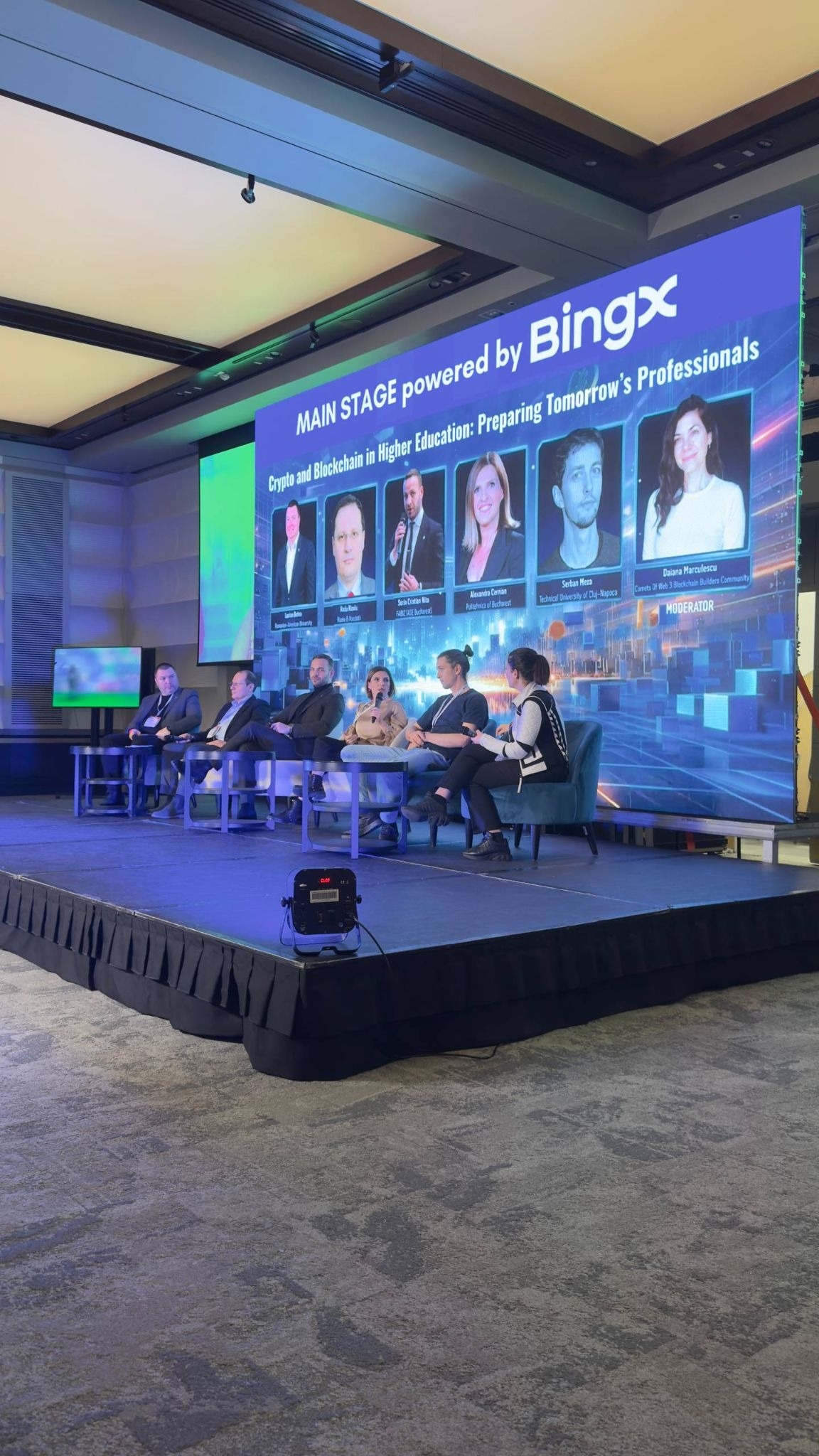
Cryptocurrencies and blockchain in higher education — preparing specialists for the industry of the future
The panel on education sounded much calmer, but it revealed another important point.
Crypto is gradually ceasing to be exotic. The discussion focused on how to teach blockchain so that students gain not just a vocabulary of new terms, but real skills. How to explain risks without moralizing and how to connect technology with law and taxation.
There is also an interesting moment here. When a topic begins appearing in university programs, it usually means the industry is moving into a more mature phase.
Day 2: data, memecoins, and regulatory reality
How trading desks use data — order flow, market sentiment, and AI-based analytics
No one here was selling the idea of a magic button that makes money.
The discussion focused on how trading desks actually work with data: looking at order flow, checking signals, analyzing market sentiment. AI was mentioned not as magic, but as another tool that helps process information faster.
This probably describes the current state of the market quite well. After the wave of AI hype, the conversation is gradually becoming more grounded.

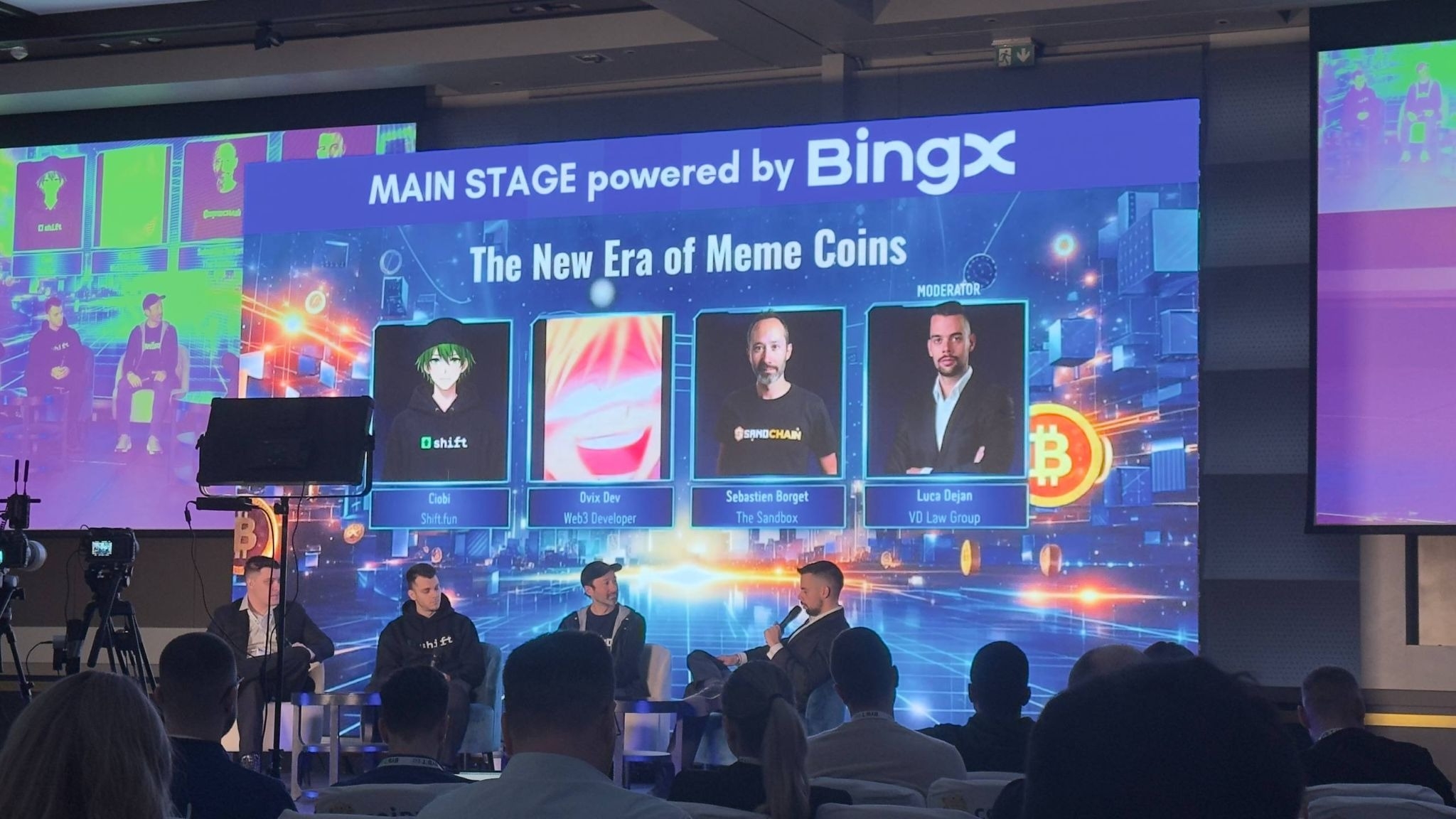
A new era of memecoins
The most emotional panel. Memecoins always provoke strong reactions: for some they are part of crypto culture, for others they represent complete chaos.
But another aspect stood out. Despite the loud topic, the tone of the discussion was quite restrained.
Memecoins were described more as an attention economy. They can quickly mobilize communities and attract attention to projects. Yet their dynamics almost always depend on the information wave surrounding them.
This highlights the difference between the internet and reality. On social media feeds, memecoins look like a never-ending festival of profits. In professional conversations, they are treated much more calmly.
Crypto exchanges and launchpads in 2026 — innovation, regulation, and the future of trading in the EU
Regulation was one of the topics that repeatedly came up throughout the conference.
MiCA is already starting to influence how crypto companies operate in Europe. For exchanges this means restructuring processes — from launching new products to the way support teams operate.

Education versus the hype of fast money — do social networks teach the younger generation the wrong approach to crypto
The discussion touched on how social networks shape expectations of quick profits among younger audiences. In crypto this effect is particularly strong.
Feeds show success stories. The real market looks much more complex.
The conversation therefore quickly moved to user behavior: why people ignore basic security, how this culture of fast profit forms, and why every market cycle produces the same stories of losses.

And now — the insights from Crypto Expo Europe
After two days of panels and off-stage conversations, several clear insights emerged about where the crypto market is moving now.
Exchanges talk much more about trust than about growth
A few years ago conference discussions revolved almost entirely around growth: how to scale faster, attract more users, increase volumes.
This time the tone was different. Many exchange representatives spoke about trust, stability, and operational processes. After the crises of recent years users pay closer attention to platform reputation, and regulatory requirements in Europe only reinforce this trend.
For many companies today, the ability to build long-term relationships with users looks more important than the speed of growth.
Regulation is no longer a topic for the future
MiCA appeared in almost every second conversation — not as an abstract law, but as a real change in the rules of the game.
For many crypto companies in Europe this means rebuilding internal processes: from compliance and KYC to how new products are launched. Some teams openly said that regulation now determines the pace of business development.
This creates a new situation in the market: companies that adapt faster to regulatory requirements may gain a significant competitive advantage.
Memecoins are taken more seriously than it seems
On social media memecoins often look like pure chaos or an endless wave of speculation; at the conference they were viewed somewhat differently.
Many participants described memecoins as a mechanism of attention and community. They may not have a complex economic model, yet they can quickly create a strong informational effect around projects.
This does not mean the industry ignores the risks. But memecoins are no longer seen as a random phenomenon — rather as part of the cultural and media dynamics of the crypto market.
The market looks much more cautious than social media suggests
If you look at crypto only through Twitter or Telegram, it may seem that the industry lives in a constant state of hype.
Offline impressions are quite different. Many conversations sounded rather pragmatic: about risks, regulation, product stability, and the real economics of services. This does not mean the industry has lost its drive, but it is clear that after several difficult years the market has become noticeably more mature.