Kursoff Conquers Istanbul: What We Saw at Istanbul Blockchain Week
June 08, 2026
The Kursoff team visited Istanbul Blockchain Week and brought back photos, badges and a bit of Istanbul vibe. Most importantly — insights into where Web3 is moving now and why the market is talking more and more about practical value, security and real use cases for crypto.
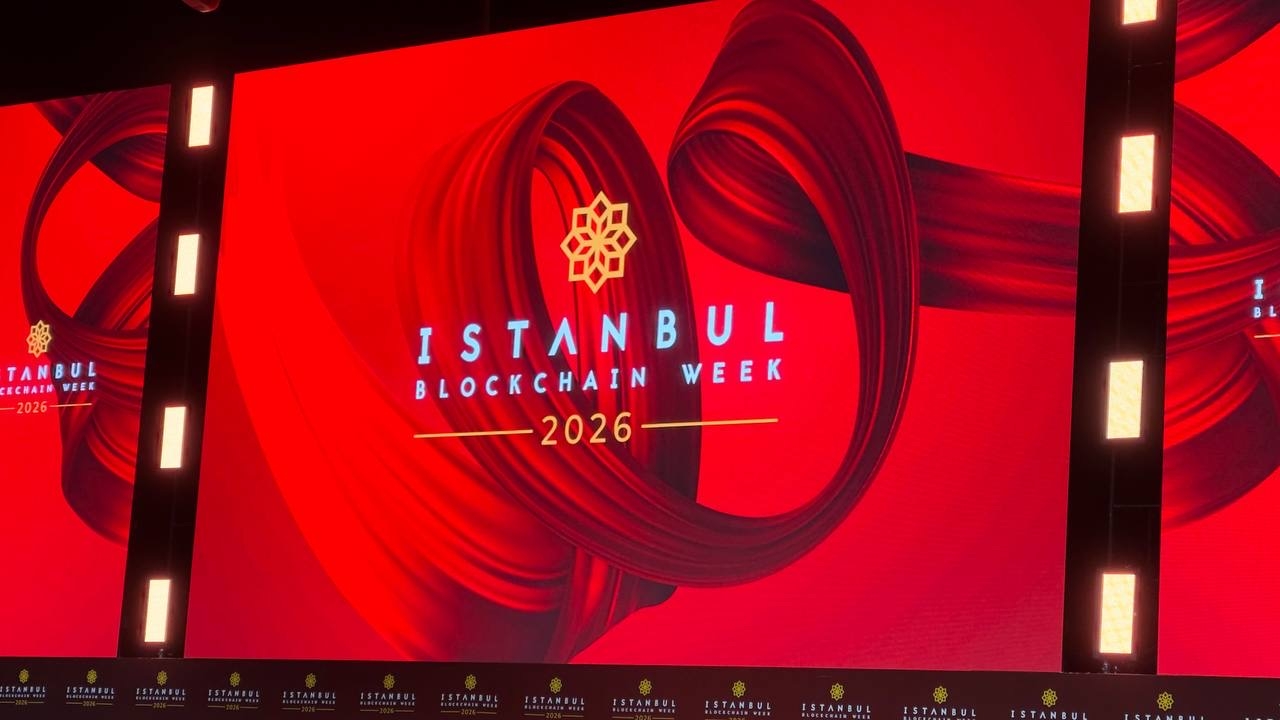
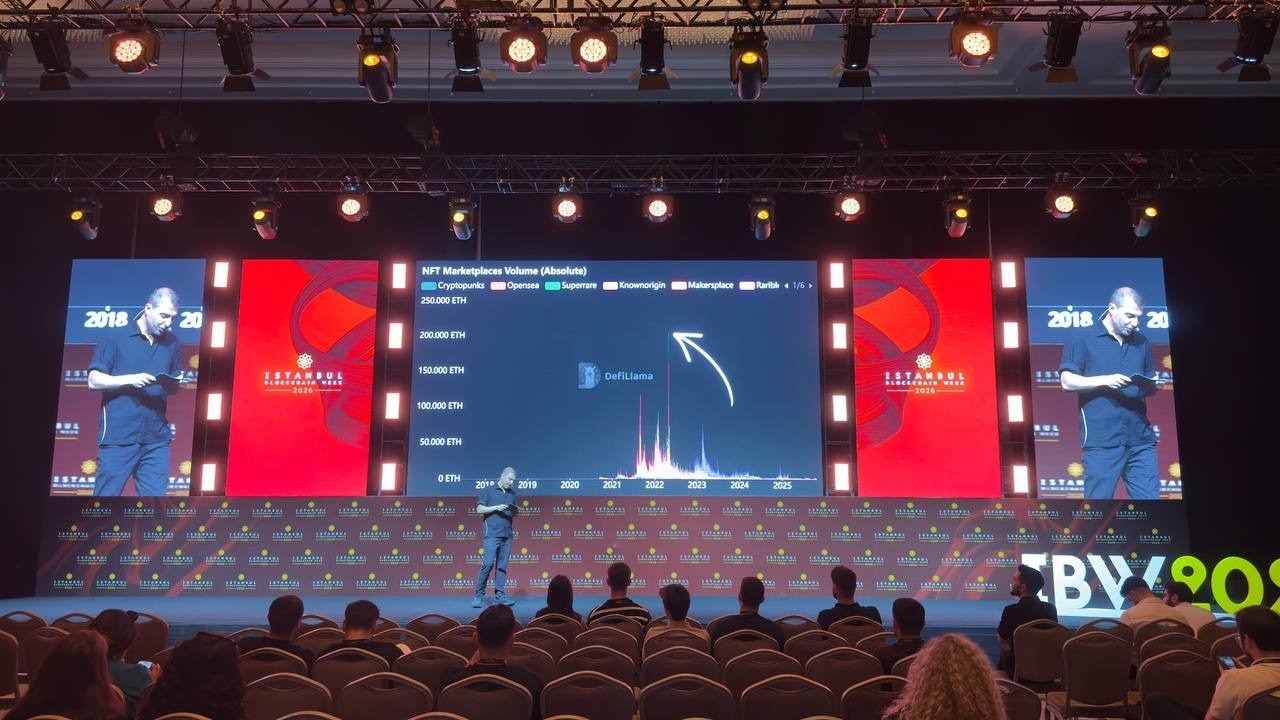
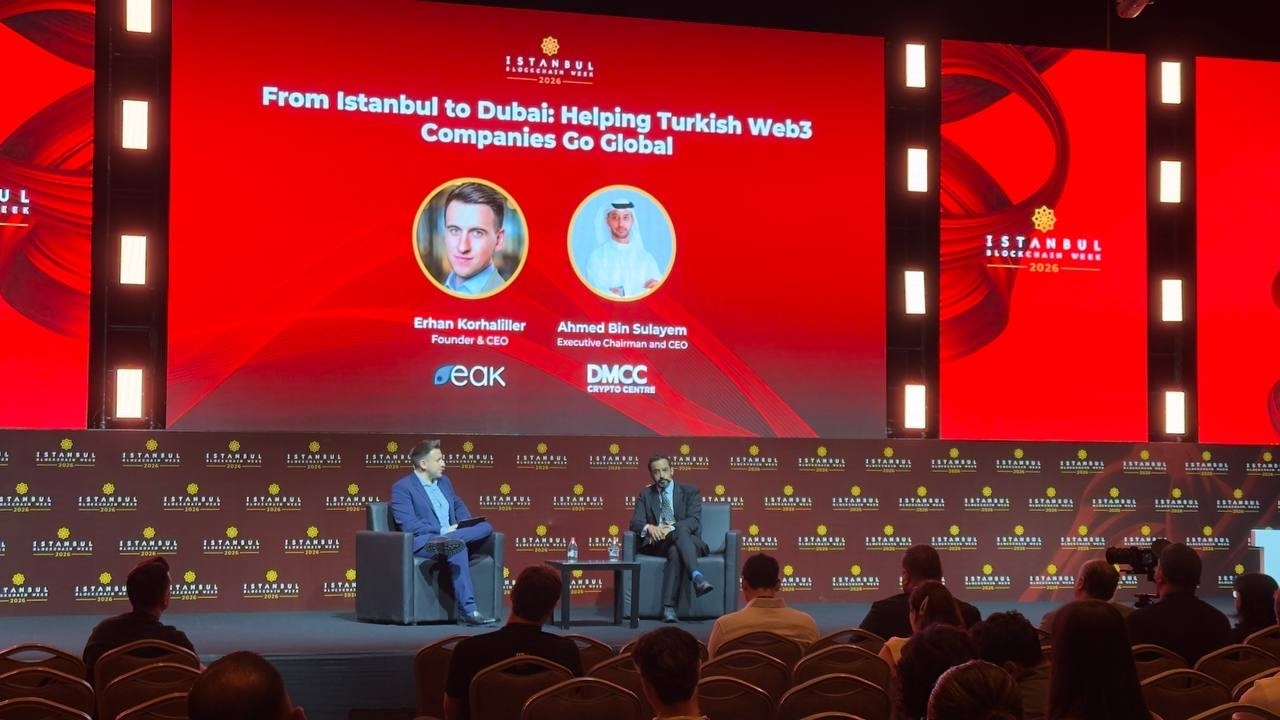
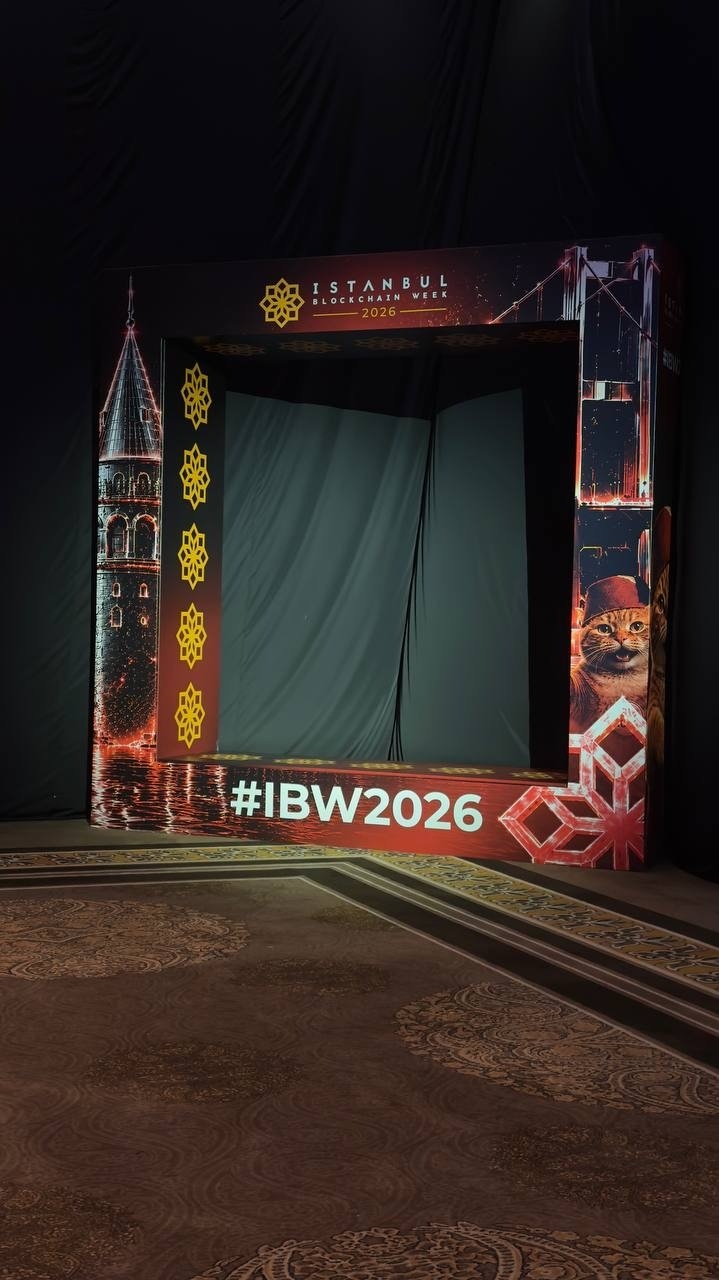
Istanbul Blockchain Week took place on June 2–3 at Hilton Istanbul Bomonti Hotel. In format, it was a large Web3 event with speeches, an expo zone, networking, startup pitches and conversations that often turn out to be more valuable than the official program.
Istanbul worked very organically for this kind of conference. The phrase Where East meets West sounded here not like a tourist slogan, but like an accurate description of the atmosphere: finance, trade, technology, tourist flow, local business and international teams constantly intersect in the city. Here, people talked a lot not about beautiful concepts, but about how crypto is already working in payments, DeFi, asset tokenization, analytics and everyday financial processes.
Web3 is becoming more practical
We see more specifics: how to reduce transfer costs, how to check risky wallets faster, how to tokenize real assets, how to use AI in DeFi, how to make crypto services clearer for businesses and users.
This is especially close to Kursoff: we work every day with exchangers, wallets, payment systems, crypto cards and users who want not just to read about crypto, but to safely choose a service and complete a transaction without unnecessary stress.
At IBW, it was clear: the industry grows where normal infrastructure appears. If you want to exchange crypto, transfer funds, withdraw fiat or check a service before creating an order, you need clear terms, reputation, support and minimum chaos.
AI agents are already entering blockchain
A relevant topic: AI agents. They are no longer viewed as a beautiful technological toy, but as a tool that can operate inside the blockchain environment.
This is about automating operations, analyzing on-chain data, executing transactions and working with large volumes of information. If earlier a user or team had to manually collect data, check addresses, look at the history of fund movements and make decisions, now part of this work can be taken over by AI solutions.
It sounds futuristic, but the logic is very practical: in crypto, many processes depend on reaction speed. The market moves fast, transactions do not wait, and risky addresses need to be detected before the problem becomes serious.
AI in DeFi: less magic, more analytics
Another interesting focus: the use of AI in DeFi. Here, it is no longer about general price forecasts or magical trading signals. What is much more interesting is how AI helps protocols see risks.
AI can be used for risky wallets, liquidity analysis, searching for suspicious transactions and detecting unusual activity. For DeFi, this is critical because protocols work with open data, large volumes of funds and high event speed.
If the system detects a weak point, a suspicious pattern or abnormal behavior faster, the team gets more chances to react before serious losses happen.
RWA: real assets are moving into tokens
RWA was also among the topics that were hard not to notice. Real estate, gold, bonds, funds and other traditional assets are increasingly being transferred into tokens to make them more accessible through blockchain.
The idea here is simple: an asset that previously existed in a complex financial or legal infrastructure can be represented in digital form. This opens the way to faster deals, fractional ownership, easier access for a wider audience and new liquidity models.
But this immediately raises an important question of trust. If an asset is tokenized, the user has to understand what exactly stands behind the token, who is responsible for the legal part, how the backing is confirmed and what rights the owner actually receives.
RWA is not only about technology: it is also about documents, transparency, responsibility and the reputation of the issuer.
Stablecoins are becoming a bridge between crypto and familiar payments
A separate strong block — stablecoins. At IBW, they were presented as a real tool for transfers and settlements.
Stablecoins are becoming a convenient bridge between crypto and familiar payments. Especially in regions where bank transfers still work slowly, expensively or with restrictions. For the user, it looks simple: you have an asset pegged to a familiar currency and can quickly transfer funds.
For business, everything is more complicated: networks, fees, liquidity, AML, counterparties, regulatory requirements and blocking risks need to be taken into account. But precisely because of this complexity, the market is moving toward infrastructure: payment providers, verified exchangers, analytical services, wallets and monitoring platforms.
The most valuable part was between the speeches
Conferences of this scale always have two parts: the first is the stage, where people talk about big trends, and the second is the side conversations, where it becomes clear what the market is really living with.
It is in the conversations between panels that real sentiment is heard best. Teams talk about regulation, the complexity of working with users, the need for transparency, competition for trust, technical risks, partnerships and new payment scenarios.
For Kursoff, this is valuable because our work is exactly at the intersection of services and users. We see that it is no longer enough for a person just to find an exchanger. They need to understand who can be trusted, which terms look adequate, where there is proper support, how to read reviews and what to look at before creating an order.
Istanbul Blockchain Week once again showed: the market grows not only because of new tokens or loud products. It grows when it becomes easier for the user to make decisions.
What Kursoff took away from Istanbul Blockchain Week
For Kursoff, this conference was useful precisely because of live contact with the market. We saw not only big topics, but also how they land in real products, services and user scenarios.
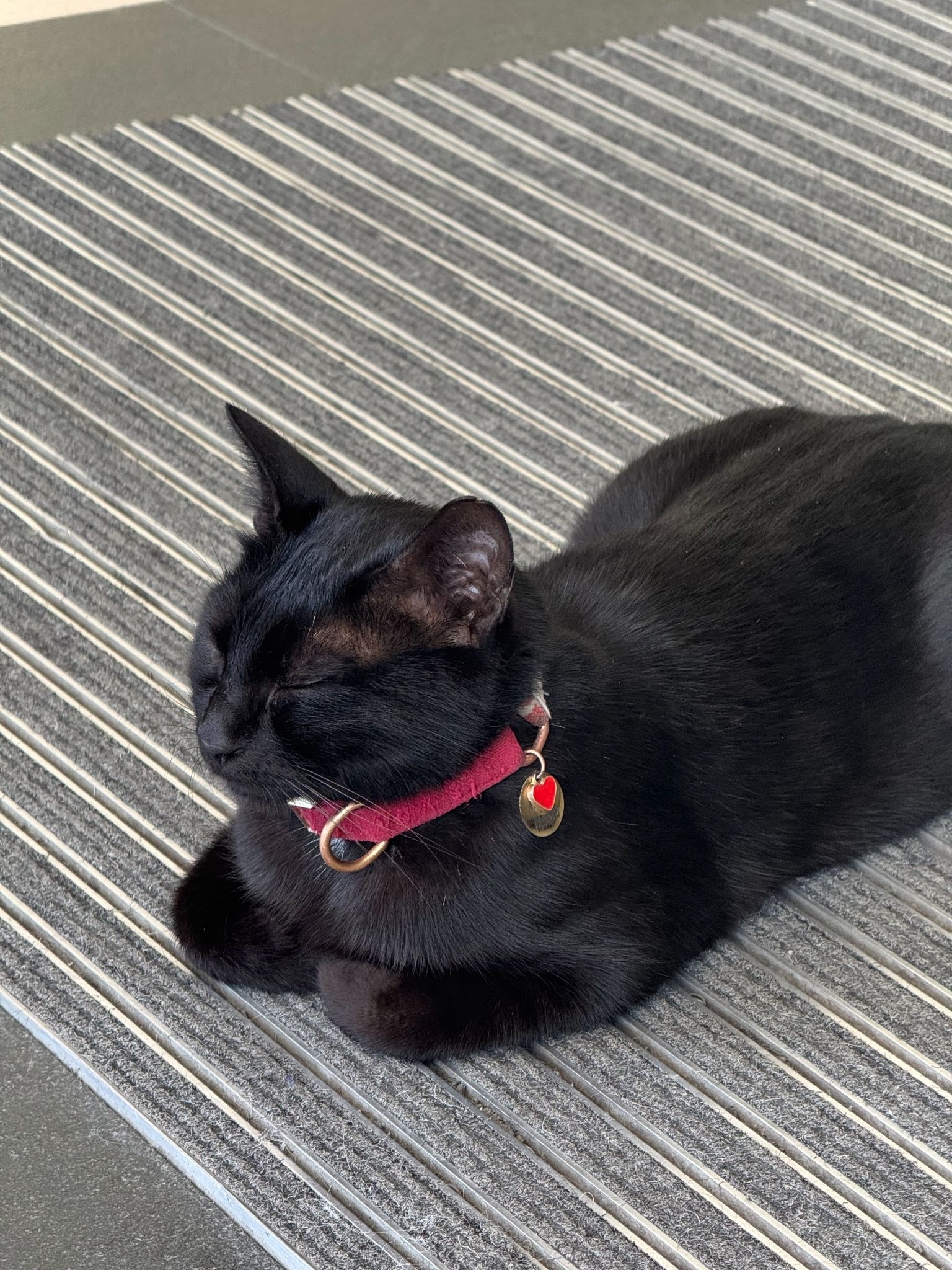
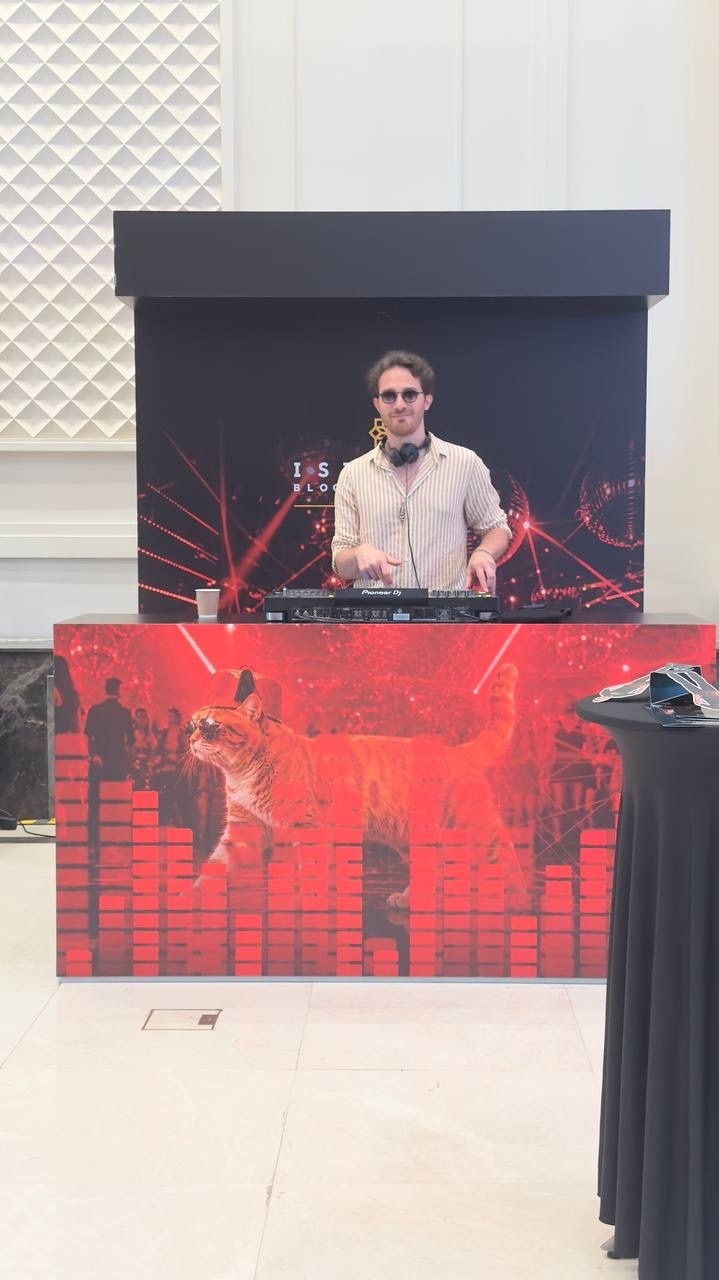
And, of course, Istanbul cats were also part of it. Because when talking about Web3 in Istanbul, even blockchain looks a little warmer when a cat walks by and behaves as if it organized the conference.