Kursoff at DGFI 2026 in Tbilisi
October 30, 2026
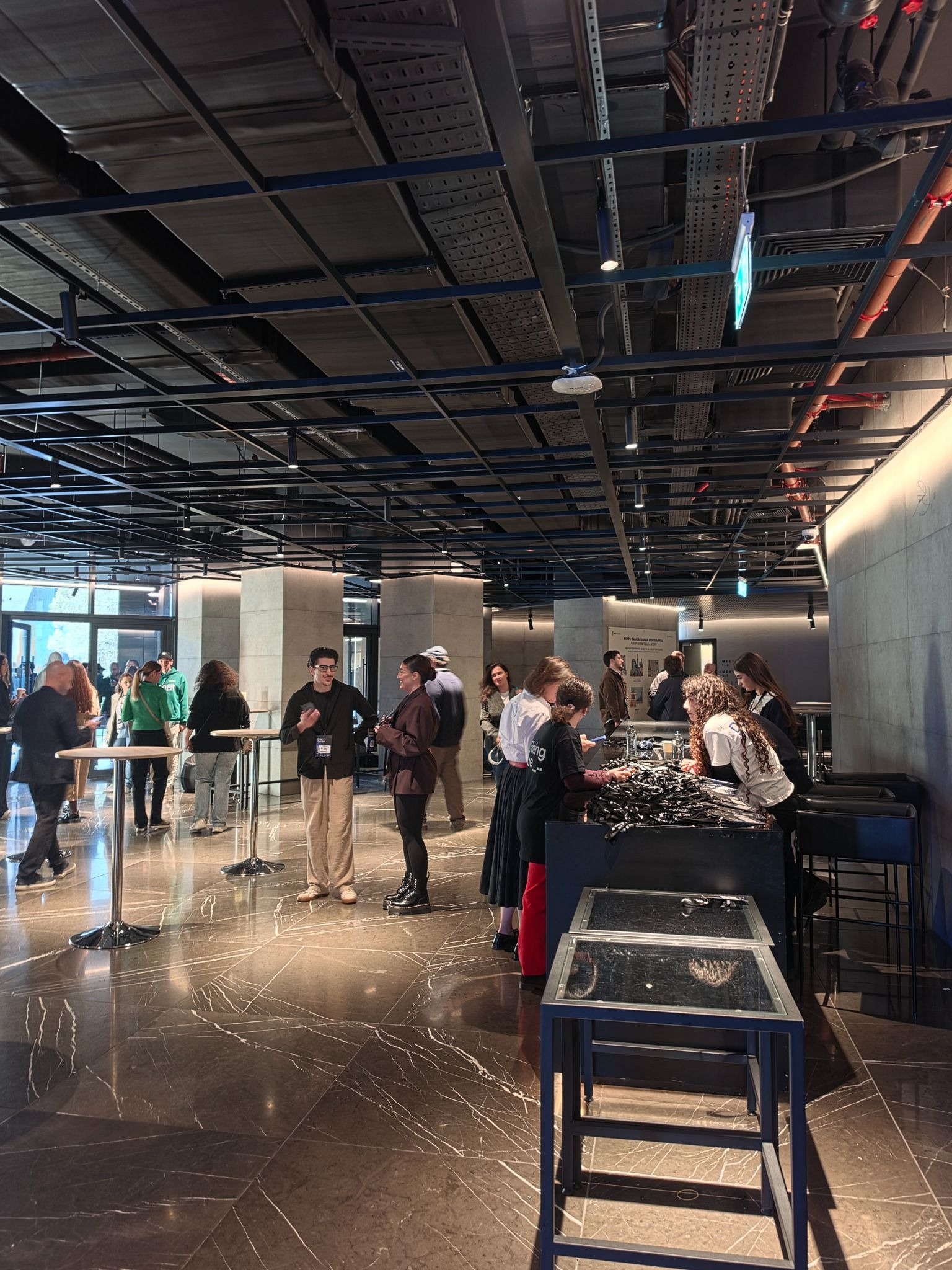
While autumn in Ukraine is gradually taking over, the Kursoff team has changed locations and headed straight into the heart of the Caucasus. These days, we are in Tbilisi – delivering live vibes and key insights from the large-scale DGFI 2026 (Digital Finance Conference), taking place on October 30–31 at the Pullman Tbilisi Axis Towers hotel.
For us, trips like this aren't about simply checking in with a badge. It’s an opportunity to feel the market firsthand, understand what developers, bankers, and payment providers live by, and figure out where the digital finance sector is heading and how it will impact everyone who exchanges crypto, uses payment cards, or holds savings in USDT.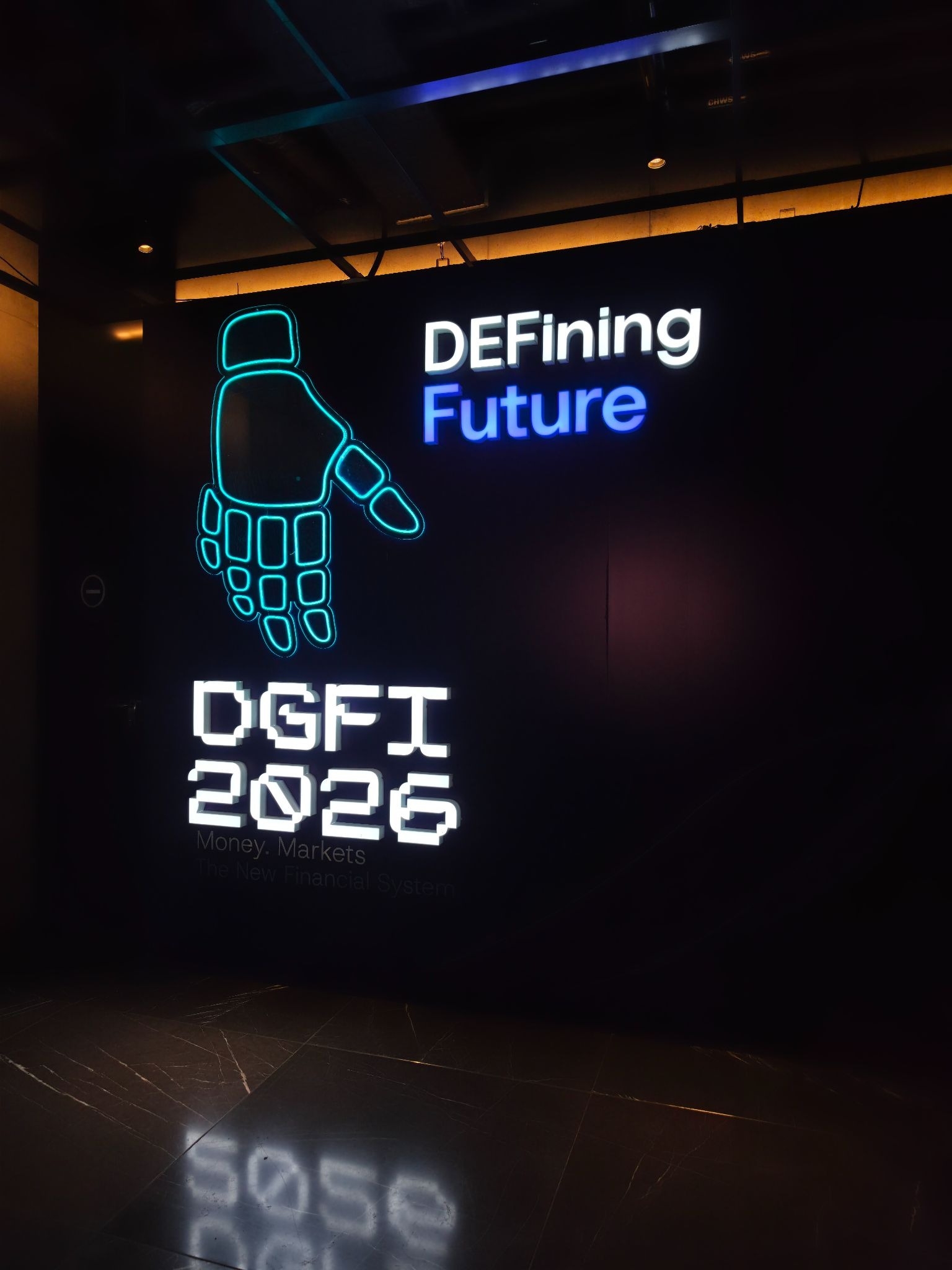
Key Stage Insights
The official slogan of the event is «Defining Future: Money. Markets. The New Financial System». And honestly, the atmosphere in the hall fully lives up to the promise. The main theme is the gradual yet inevitable convergence of the traditional banking sector with Web3 technologies.
1. Asset Tokenization (RWA): The End of Illusions
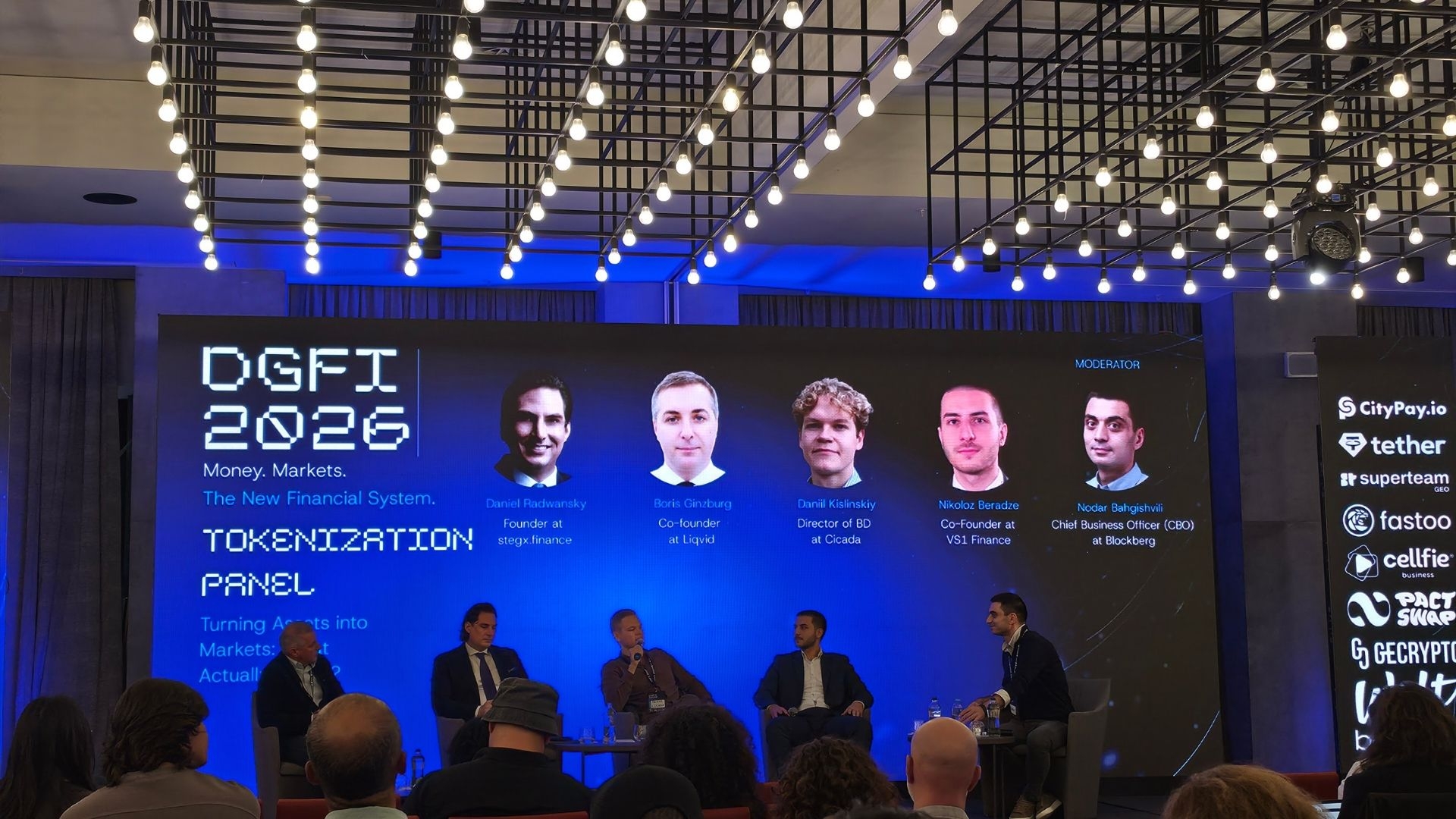
The tokenization panel turned out to be the hottest. While RWA was previously discussed as a magic tool that would tokenize everything in sight and make everyone rich, the level of illusion dropped significantly at DGFI 2026.
Speakers clearly outlined several fundamental requirements without which tokenization simply doesn't work:
- Looking for real demand, not hype. It is not enough to simply put an asset on the blockchain. Someone needs to actually want it in the real world. On-chain reinsurance and catastrophe bonds were cited as a genuinely working case study — here, real demand yields about 10.5–11% with a TVL exceeding $300M.
- US Treasuries no longer impress. The times when investors were thrilled with 4–5% annual yields from tokenized US government bonds are gone. The market has matured toward more complex products and demands double-digit yields. For instance, teams are trying to push yields up to 16–18% using leverage looping strategies.
- Compliance headaches. Lawyers at the conference literally crossed swords over a key question: how do you sell the exact same tokenized asset both in an open DeFi protocol (where there is no KYC) and to strict institutional funds that check every penny? There is no single solution yet — issuers have to define strict audience boundaries as early as the Whitepaper stage.
Expert Take:
During the Q&A session, a former banker shared a piece of advice regarding tokenized mortgages or real estate: “If an asset is being tokenized in order to sell it to the general public through retail or in new markets, it means only one thing — professional investors refused to buy it. If you see this — run”.
2. Stablecoins and the American Monster
The second major topic covered payment infrastructure. Speeches from representatives of Tether, Binance, and payment services confirmed that stablecoins have long ceased to be just a temporary refuge for traders during exchange storms. They are now a full-fledged alternative to traditional SWIFT transfers.
However, speakers from Europe (particularly Frankfurt) voiced a sharp warning. The widespread adoption of USD stablecoins, along with new US legislative initiatives (such as the GENIUS Act), creates massive leverage. In fact, the US is softly shifting the infrastructure of global capital markets onto its own digital rails.
For emerging markets, this poses a direct question: should they try to build their own national payment solutions or fully connect to the American monster? Tbilisi, by the way, was highlighted positively here — Georgia is striving to prepare its own institutional and regulatory framework in advance under the leadership of the National Bank.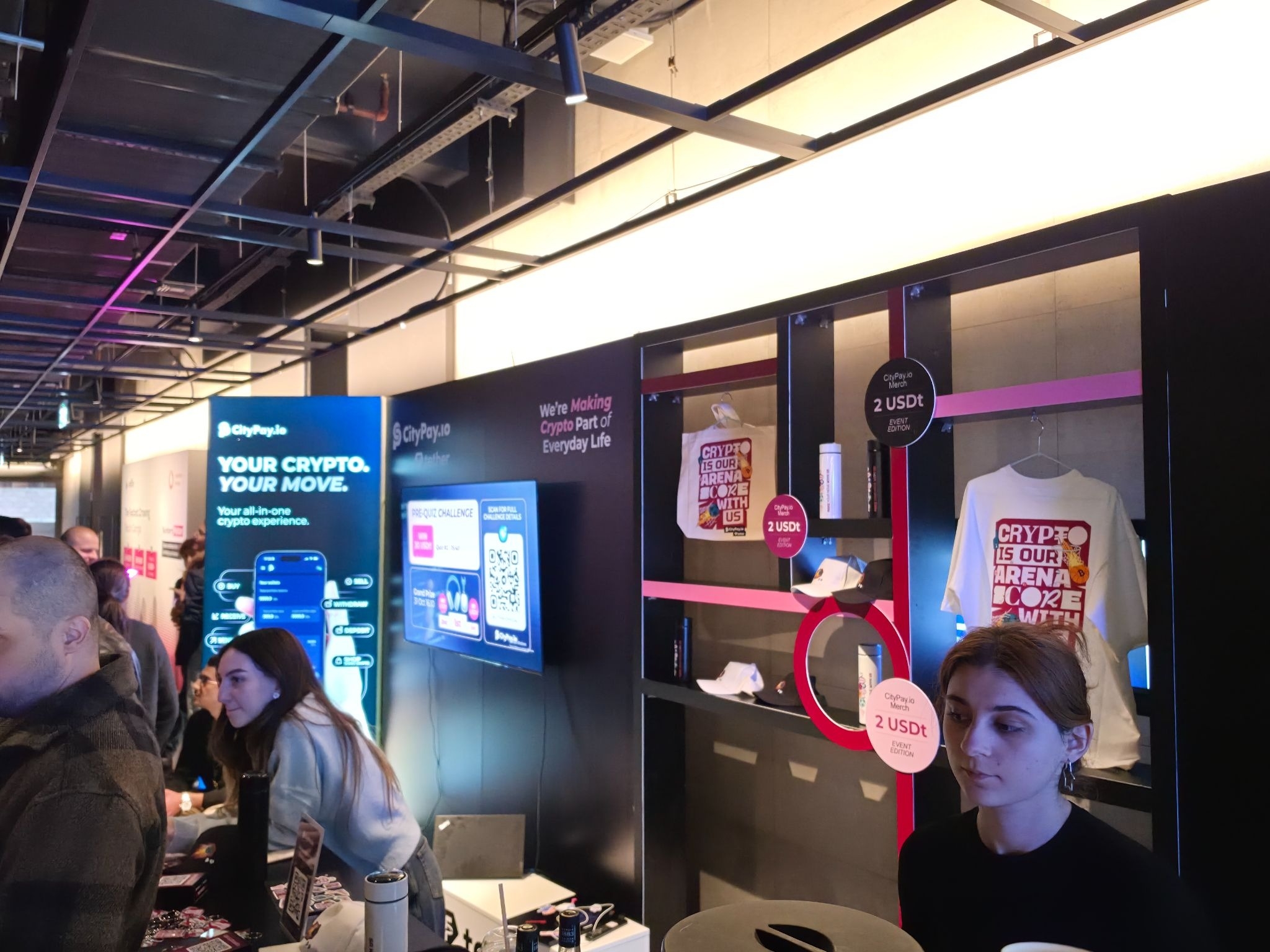
Atmosphere and Behind the Scenes
As always at high-level conferences, the most interesting conversations happen off the main stage. The halls of the Pullman Axis Towers currently resemble a hive: people are discussing acquiring speeds near the booths of payment providers (like CityPay.io and Fastoo), searching for liquidity in the corridors, and Web3 startups are pitching their ideas to fund representatives.
For us at Kursoff, this atmosphere is extremely important. Our service works every day so that you can find the most profitable and secure ways to exchange cryptocurrencies, fiat, and use crypto cards and payment systems. When you personally shake hands with developers and platform representatives, you understand the inner workings of these services — allowing us to provide you with an even higher quality, verified, and transparent product.
The conference continues, and we keep gathering the most interesting insights for you!
Stay tuned for updates on the Kursoff blog and social media — keeping our finger on the pulse of financial innovation!